Ragasutra Hero
— HINDUSTANI CLASSICAL MUSIC

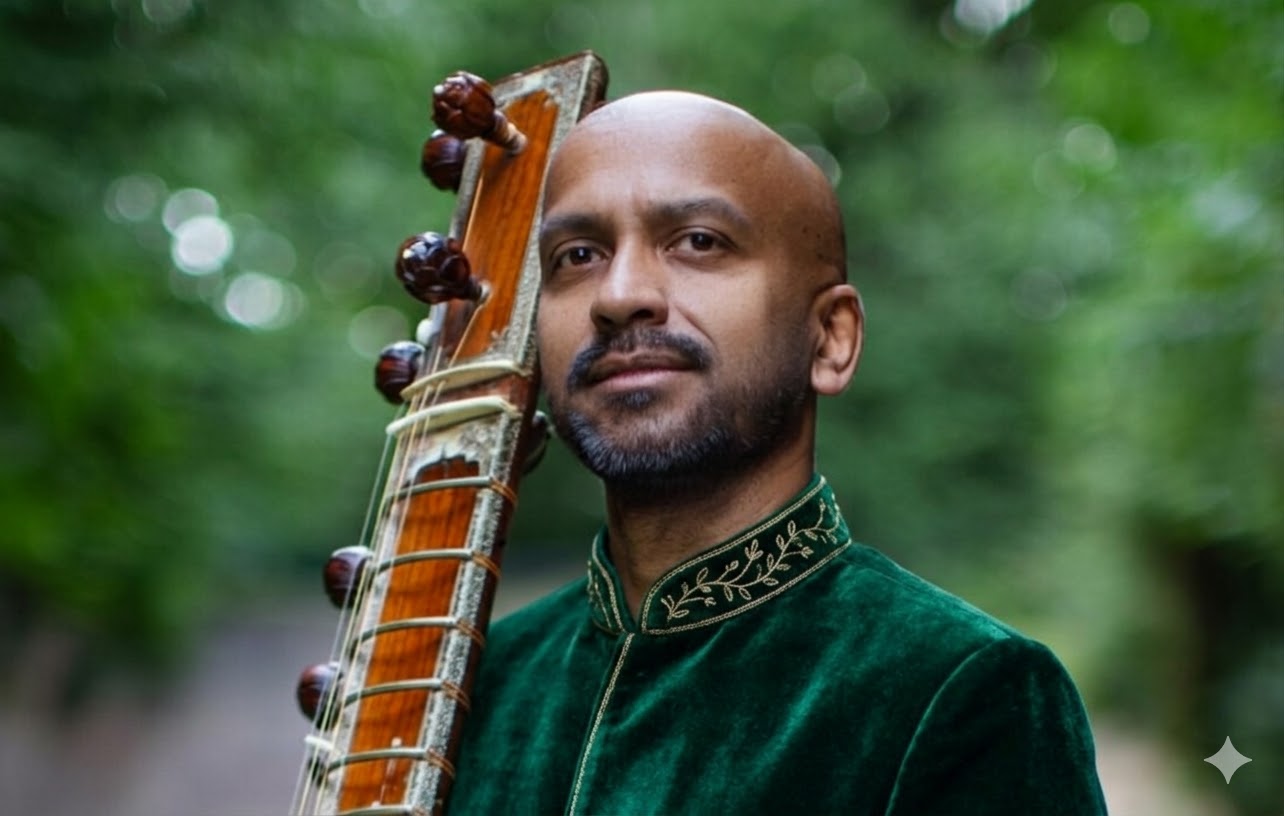
Hindol Deb

Ragasutra

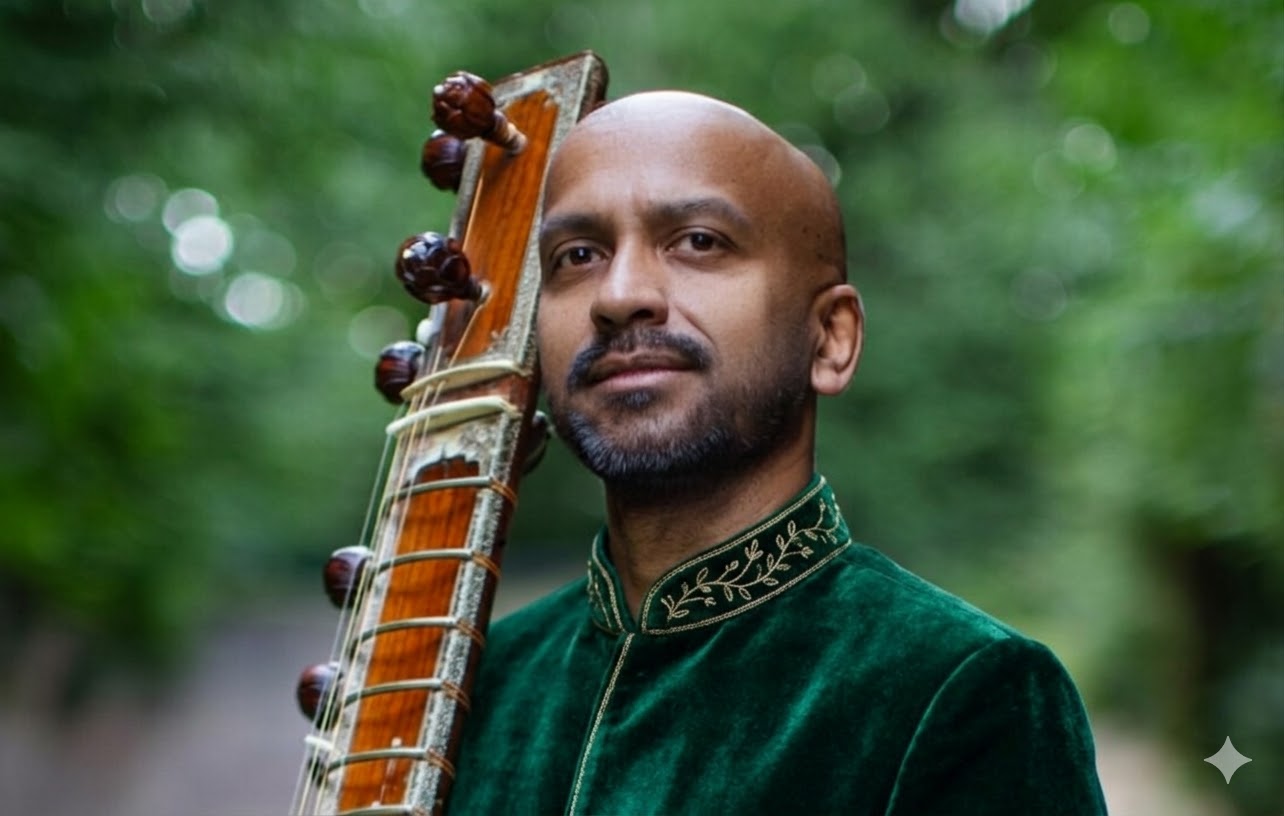
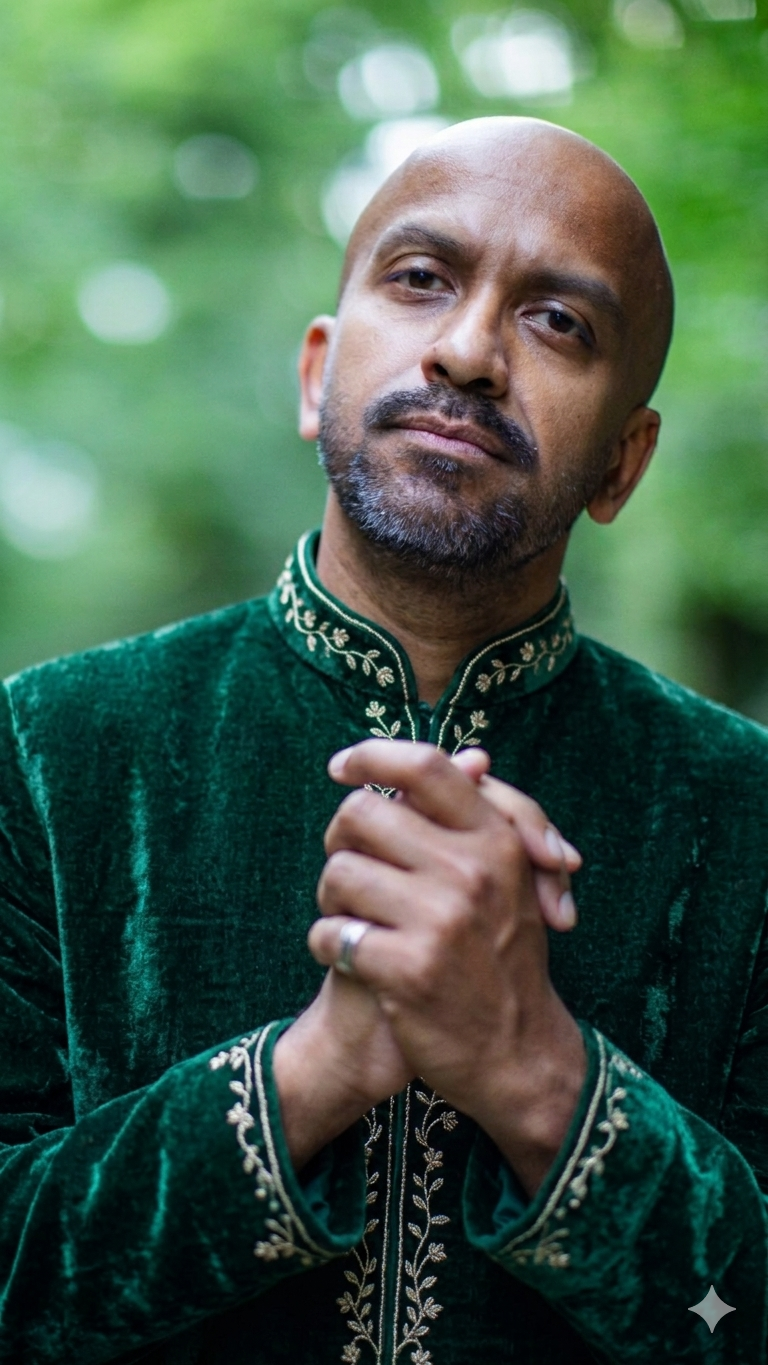
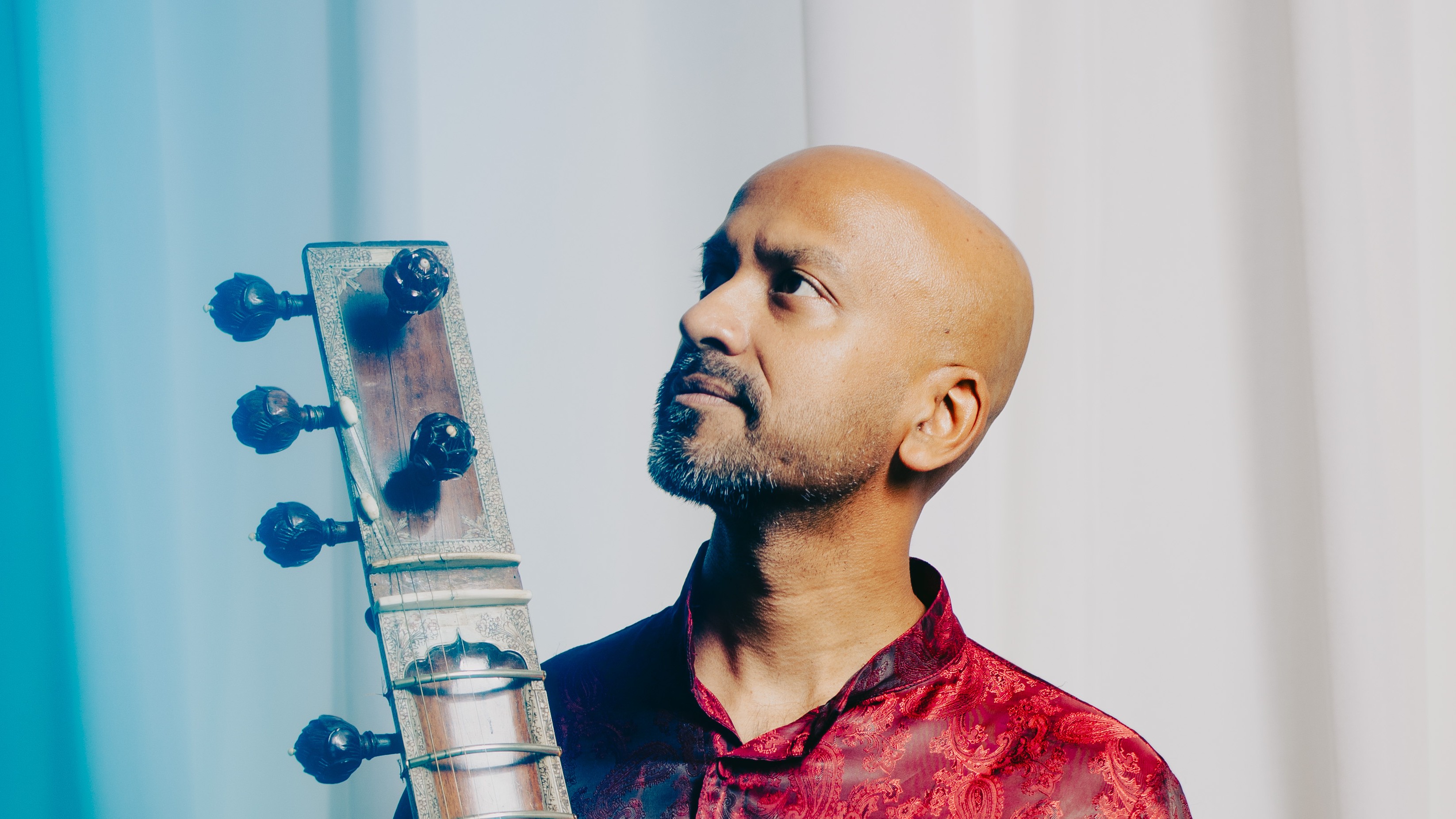
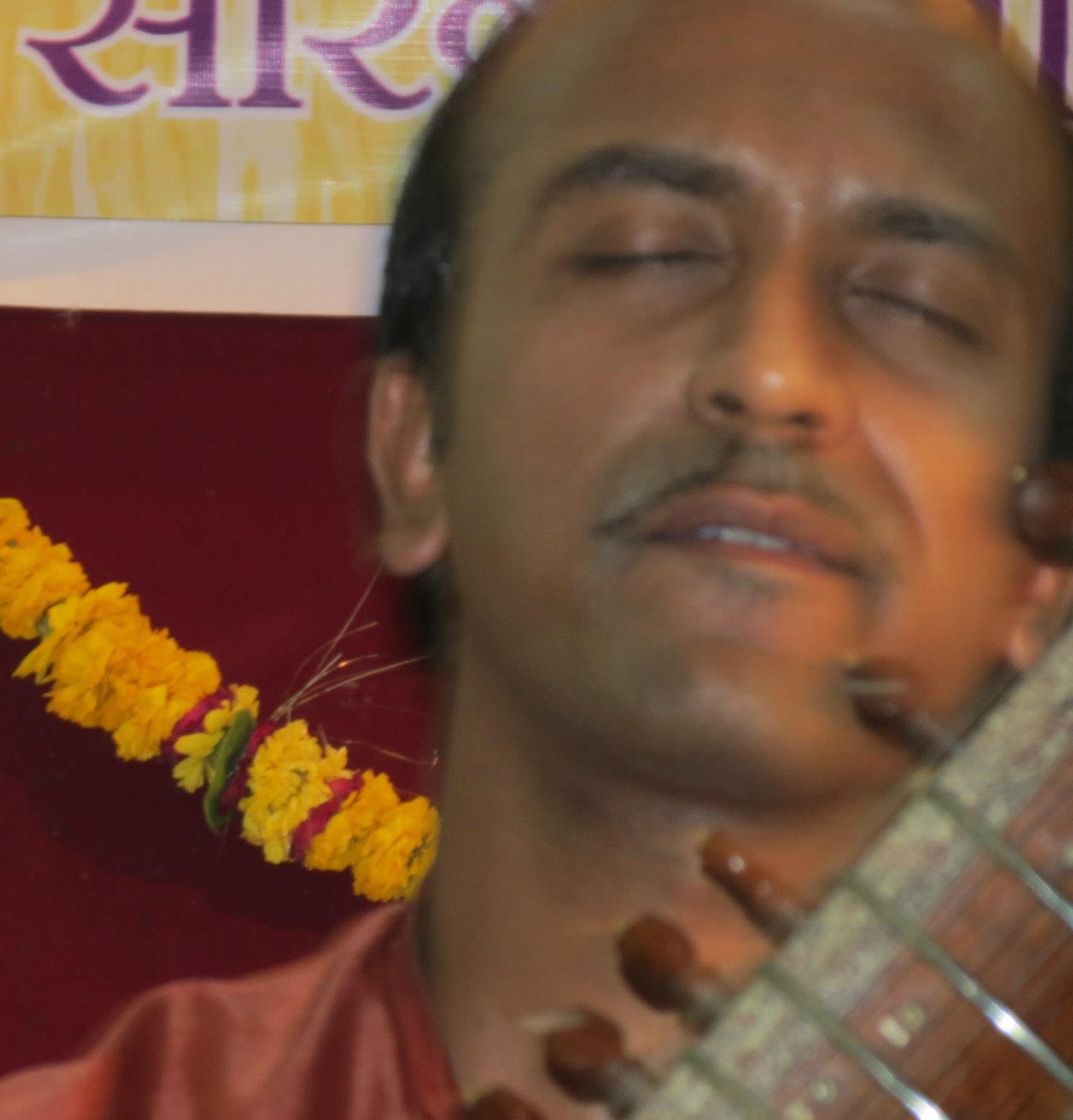
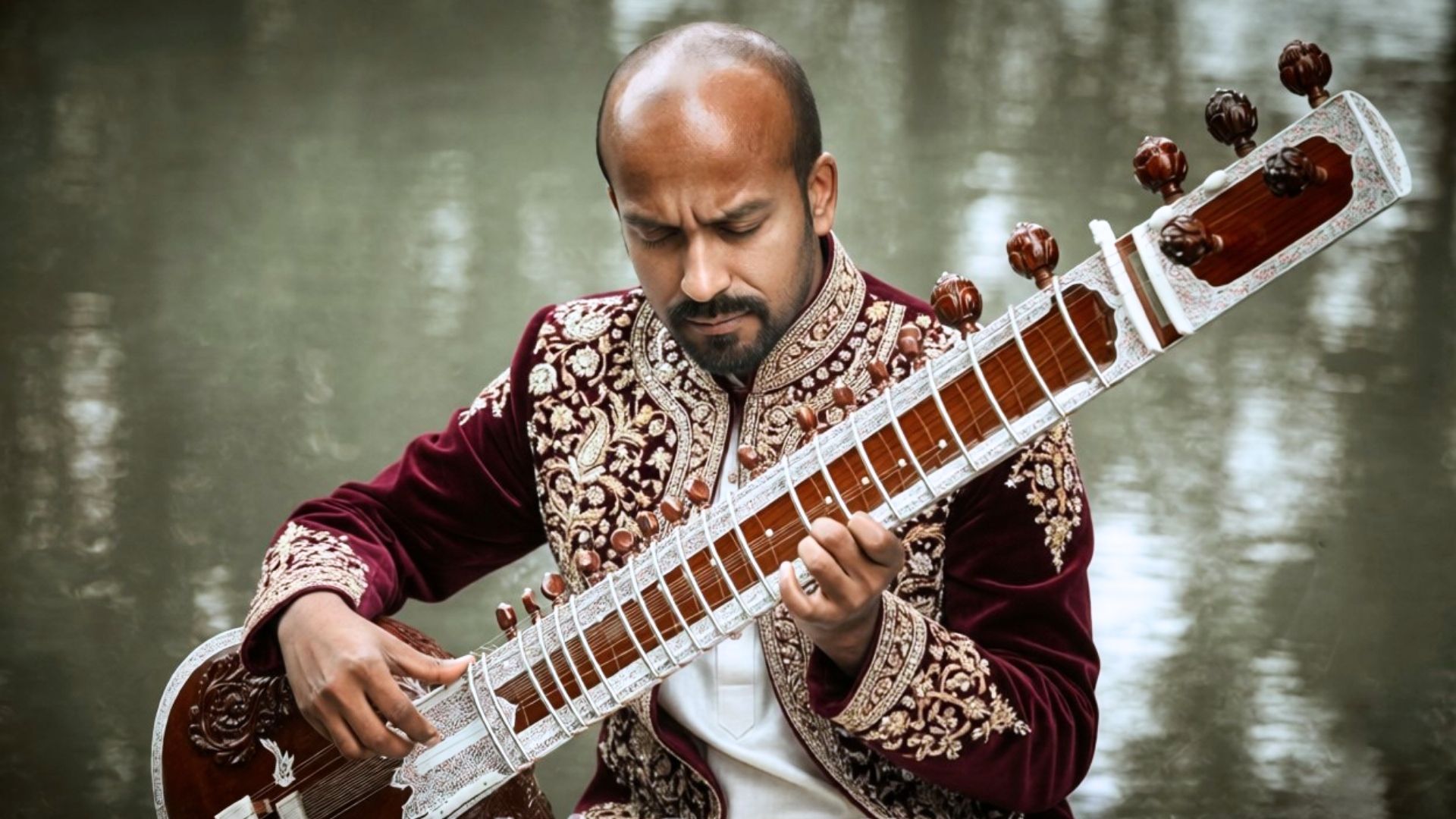
Hindol Deb is a sitarist of rare depth, rooted in the ancient tradition of Hindustani classical music and shaped by a life lived across continents. Beginning his musical journey at the age of five under the guidance of his father, Sri Panchanan Sardar, he later trained with eminent gurus Pandit Santosh Banerjee of the Rampur Gharana and Pandit Deepak Chaudhury of the Maihar Gharana, absorbing a rich lineage of stylistic influences.

Deeply inspired by the introspective aesthetics of Dhrupad and the Been Ang, Hindol has cultivated a distinctive voice on the sitar—one that balances meditative depth with technical brilliance. His playing reflects a nuanced understanding of raga, exploring its emotional and psychoacoustic dimensions through refined phrasing, intricate glides, and rhythmic precision.

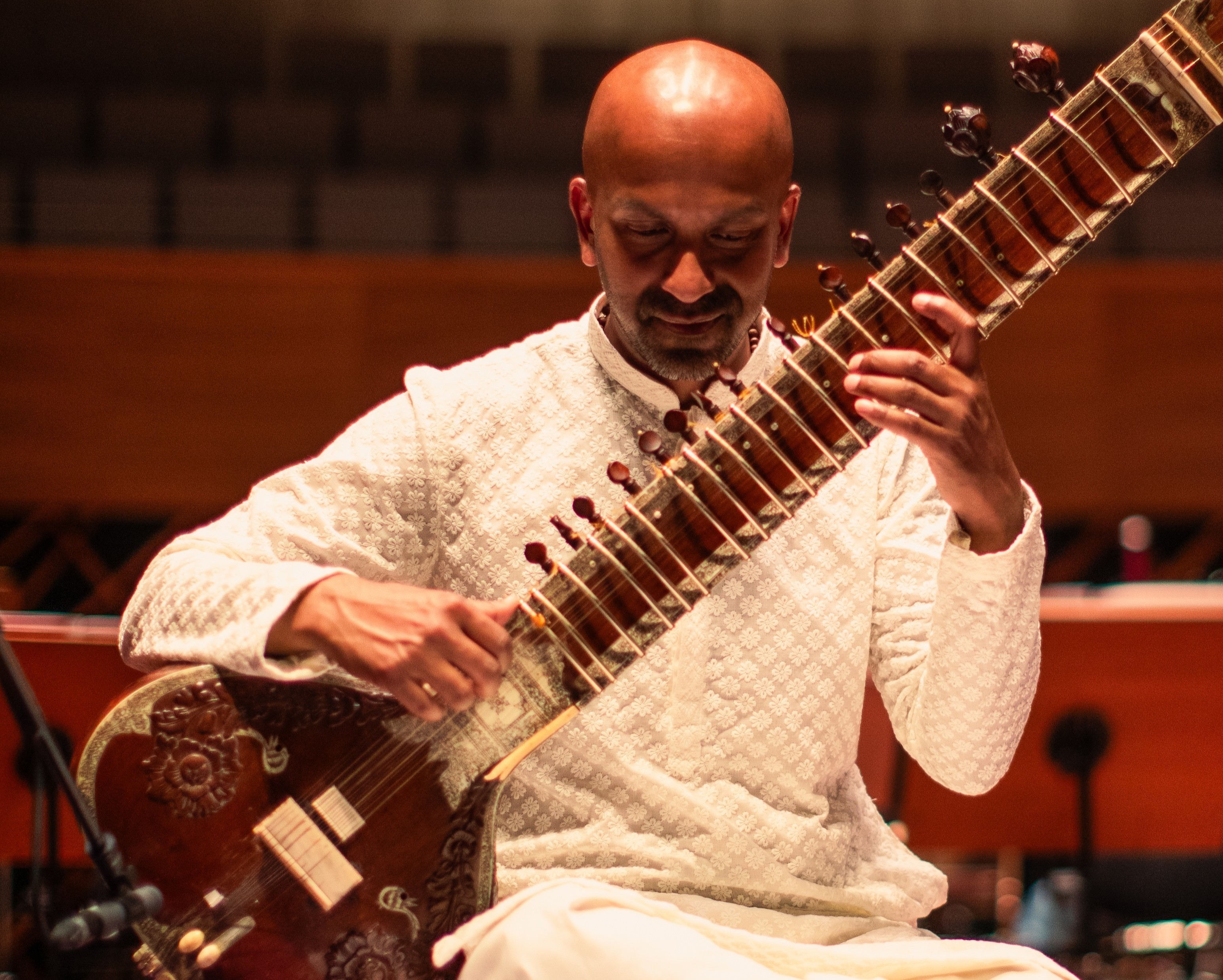
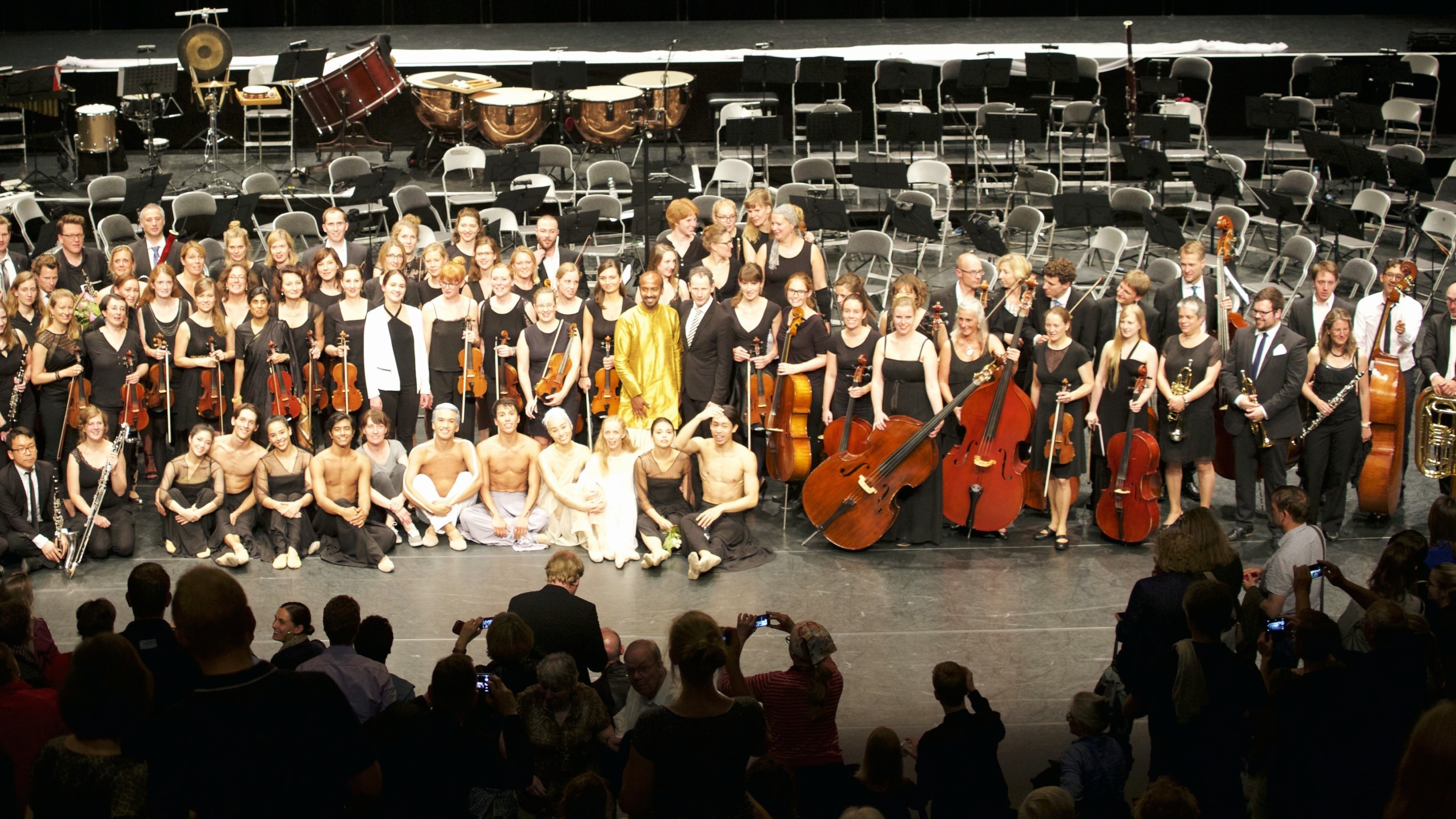
As a soloist, he has performed extensively across India, Japan, Europe and USA presenting immersive raga recitals that combine structural clarity with emotional resonance. Alongside his classical work, he has also collaborated with orchestras and diverse ensembles, continually expanding the expressive possibilities of the sitar while honoring its timeless essence.

State & National Scholarship for Sitar — Government of India

Residency — Academy of Carnegie Hall, New York

Residency — Les Récollets, Paris, France

Residency — Rikksommeren, Scandinavia

Master of Jazz Composition — Hochschule für Musik, Köln, Germany
Hindol Deb

Raga as Medicine
for the Modern Mind

Indian classical music is one of the oldest therapeutic traditions on earth. Long before modern neuroscience, the ancient rishis understood that specific ragas, performed at their designated hour, could modulate mood, reduce anxiety, induce sleep, and even heal illness. This is not metaphor — it is a precise science of vibration, rhythm, and emotional resonance.

Contemporary research confirms what the tradition always knew. The slow, meditative unfolding of an Alap activates the parasympathetic nervous system, lowering cortisol and heart rate, creating the same physiological state as deep meditation. The tabla's rhythmic cycles entrain the brain's theta and alpha waves. The sympathetic stirring of the sitar creates a wash of harmonic overtones that envelop the listener.

ANXIETY & STRESS REDUCTION

Ragas Bhairav and Bhimpalasi calm the nervous system. The slow Alap promotes deep breathing and parasympathetic activation.

DEEP SLEEP & RELAXATION

Night ragas Malkauns, Bageshri and Darbari Kanada have long been prescribed for insomnia. Their pentatonic structure minimizes cognitive stimulation.

FOCUS & COGNITIVE CLARITY

Morning ragas Bhairav and Todi sharpen attention. The complex intervallic structures engage the brain's pattern-recognition systems.

EMOTIONAL RELEASE & CATHARSIS

The doctrine of rasa — nine fundamental emotions — invokes every raga creates a guided emotional journey, providing catharsis without words.

Music & Mind

The Five Movements of
a Classical Recital

A Ragasutra performance is not a set of songs. It is a single, continuous arc — a complex emotional and musical journey that may last from forty minutes to several hours. Each movement builds on the last, taking the listener on a guided emotional journey.

01
Alap
The Unveiling
Alap
The performance begins in silence. In the Alap, there is no tabla, no pulse, no predetermined structure. The sitar introduces the raga — one by one, the notes emerge, finally the raga's unique signature.
02
Jod
The Pulse Emerges
Jod
The Jod is the moment the music begins to move. The sitar introduces a rhythmic pulse — still without the tabla, still without a fixed pulse.
03
Vilambit Gat
The Slow Composition
Vilambit Gat
Now the tabla joins, and the performance enters a composed form. A fixed rhythmic cycle — a tala — is established between sitar and tabla.
04
Drut Gat
The Fast Composition
Drut Gat
The tempo doubles, then triples. Drut Gat is where the sitar and tabla begin to trade rapid exchanges.
05
Jhala
The Finale
Jhala
The climax arrives. The sitar abandons melodic elaboration and instead plays rapid, rhythmic strokes on the open strings.
Raga Bhairav

Raga Bhairav

Dawn · MorningAll Seasons

The first raga of the day. Bhairav is performed at dawn when the world stands between darkness and light, and it carries that liminal quality in its very structure: a flat second, a flat sixth, a mood of austere devotion. It is associated with Shiva — the god of time, destruction, and liberation.

Bhairav is one of the most demanding ragas to perform. Its austere beauty allows no decoration, no rush. Every note must be placed with absolute conviction. Hindol's Bhairav performances are described by listeners as meditative and overwhelming at once — like watching the sun rise slowly over a vast, silent plain.

Yaman

Evening

The luminous twilight raga. All notes sharp — giving it an open, soaring quality like golden light before dusk. Raga immaculate joy and longing.

Malkauns

Midnight

A pentatonic midnight raga of profound darkness. Its austere structure creates a mood of hypnotic, fearless power. Associated with Shiva's tandava dance.

Miyan ki Malhar

Monsoon

The great monsoon raga. It embodies the first rains after summer heat — desire, relief, emotion. Its phrases imitate the rhythms of rainfall.

Darbari Kanada

Night

Regal, stately, profoundly melancholic. Created for the court of Akbar the Great. Its slow, heavy ornamentation carries the weight of history and grandeur.

Bageshri

Evening

The raga of tender longing and waiting. Its mood is sensual — the ache of beautiful separation, waiting for a beloved who may or may not arrive.

Bhimpalasi

Afternoon

The warm, intimate afternoon raga. Its nature chord creates a mood of gentle, domestic longing — Shringara in its most tender, unadorned form.

Todi

Twilight

One of the most emotionally intense ragas. Its unusual scale — the second, third, fourth all sharp — creates a bittersweet, piercing beauty.

Puriya Dhanashri

Dusk

The twilight meeting of desire and peace. The raga of the liminal moment between day and night; wanting and having, longing and arrival.

Meend
The Art of the Bend

Meend is the soul of sitar playing. It is the art of bending from one note to another with a continuous, singing quality — not jumping, but gliding, as if the sitar is singing like the human voice.

The sitar "sings" through meend — a microtonal glide that mirrors the human voice and breath.

MICROTONAL PRECISION

Meend requires bending notes by fractions of a semitone, creating intervals that Western music notation cannot capture.

EMOTIONAL EXPRESSION

The quality of meend — its speed, curve, and intensity — conveys the emotional essence of the raga.

YEARS OF MASTERY

Meend requires years of practice to master, and it is through meend that a sitarist expresses the deepest emotions of the raga.

Meend

Ragasutra
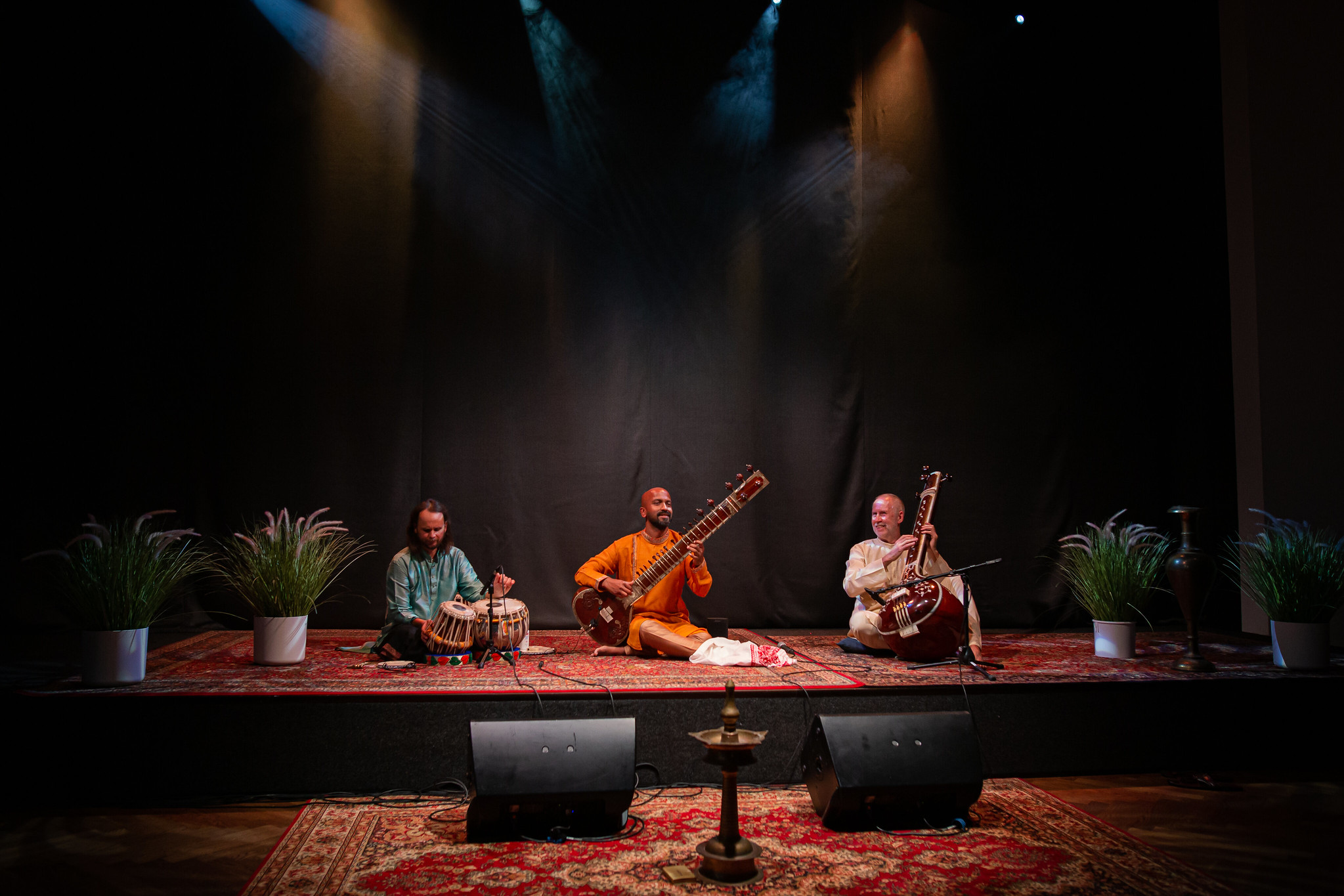
Live Performances

Raga Performance · Sitar & Tabla

Performance I

Indian Classical Music · Ragasutra

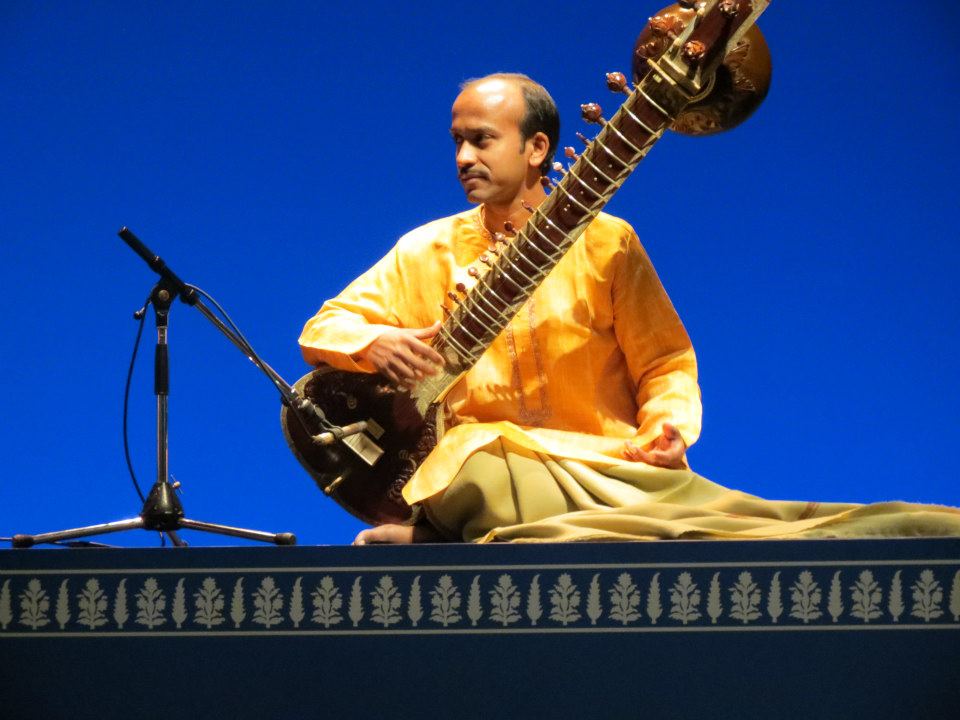
Raga Performance · Sitar & Tabla

Performance II

Indian Classical Music · Ragasutra

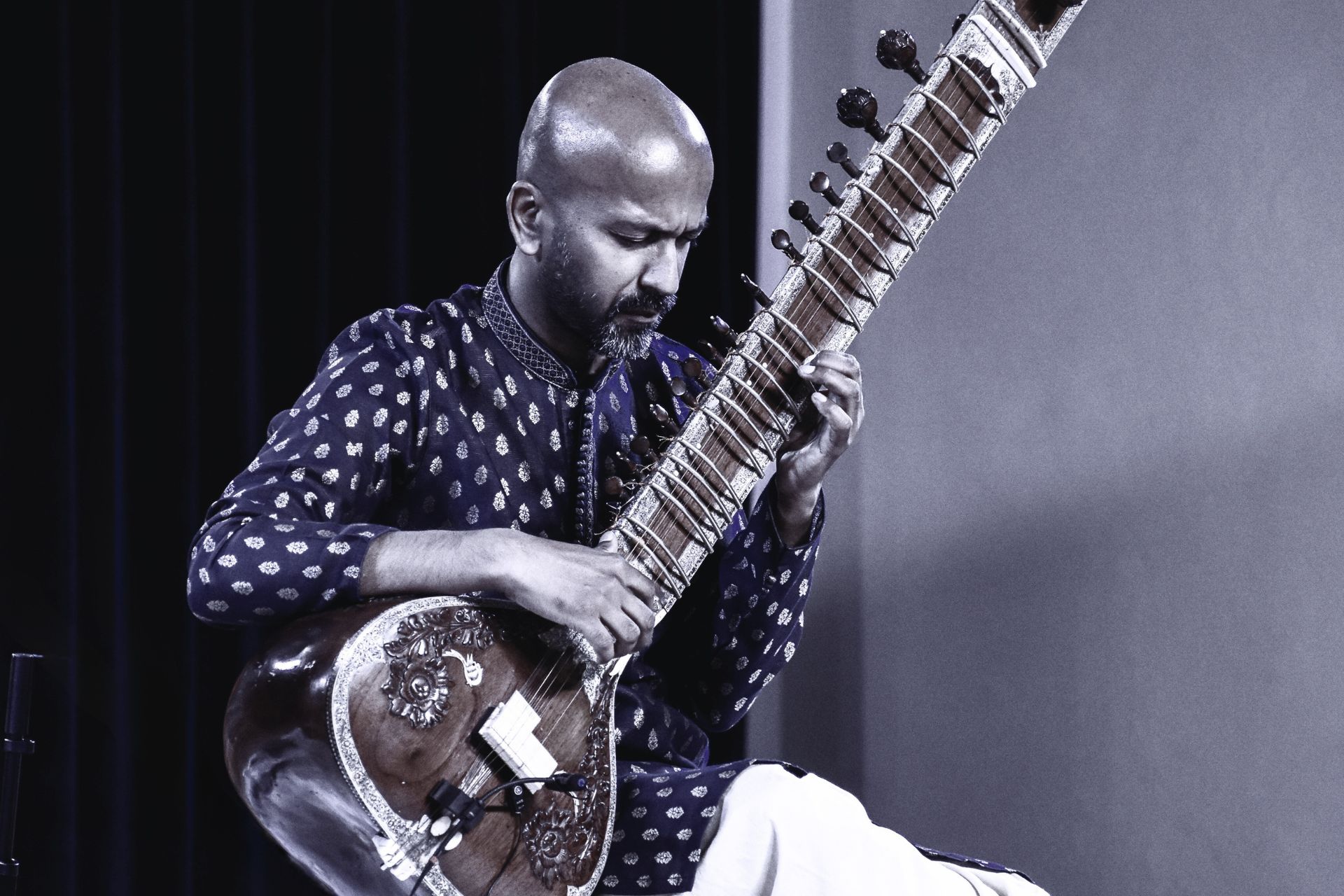
Raga Performance · Sitar & Tabla

Performance III

Indian Classical Music · Ragasutra

Raga Performance · Sitar & Tabla

Performance IV

Indian Classical Music · Ragasutra

Bring Ragasutra
to Your Stage

Hindol Deb performs worldwide — concert halls, cultural centres, intimate sabhas, and festivals. For bookings, collaborations, press enquiries, and educational workshops.